
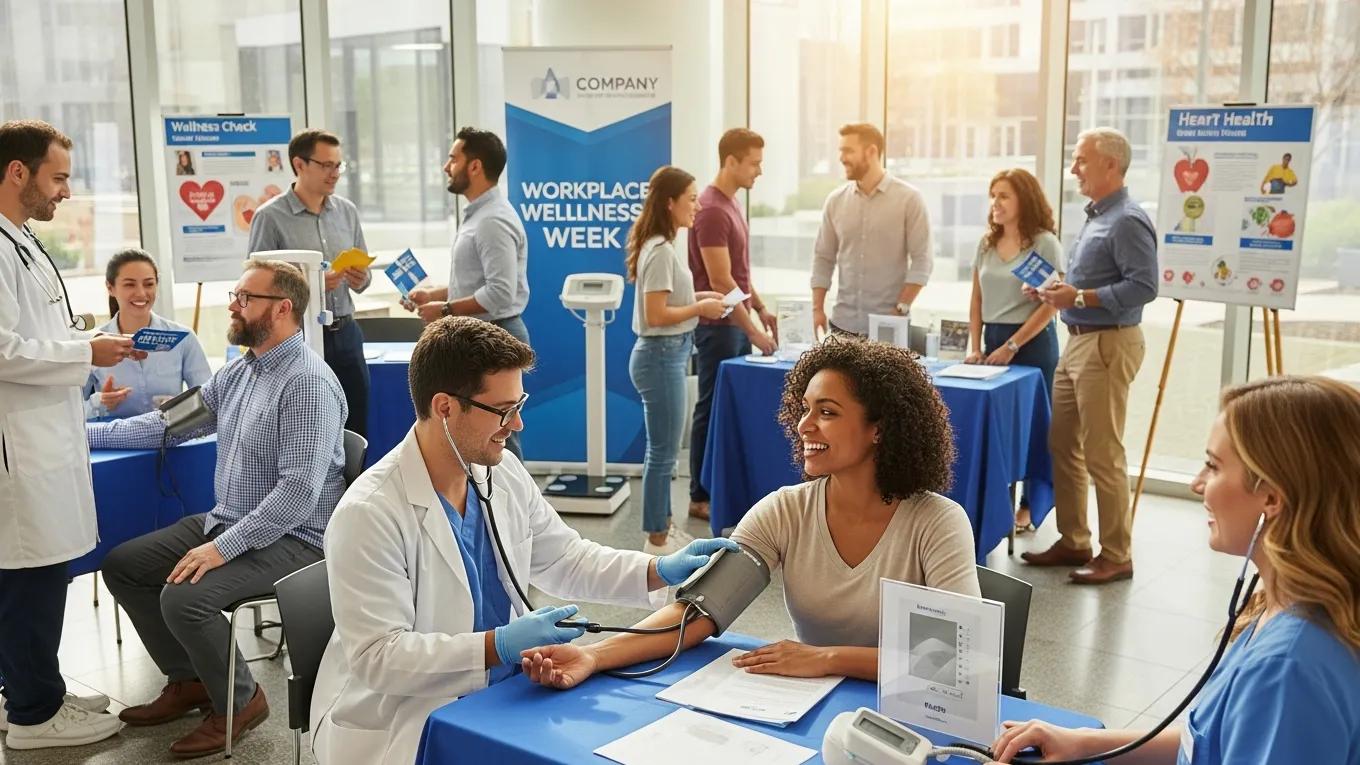
Why Employer Health Screenings Are Essential for Your Business: Ensuring Workforce Wellness and Compliance
Employer health screenings are a cornerstone of workforce health and regulatory compliance. They identify emerging health issues, promote a culture of wellness, and help control costs. When businesses invest in screenings, they often see fewer sick days, better productivity, and improved morale. This article outlines the benefits of employee screenings, the role of workplace vaccination programs, and how QuickAid Urgent Care can help local businesses implement these services.
What Are the Key Benefits of Employee Health Screenings for Your Business?
Employee health screenings deliver practical benefits that affect operations and the bottom line. They enable early detection and timely intervention, which can lower healthcare spending. Regular assessments also reduce absenteeism and support a healthier, more productive workforce.
- Improved Employee Productivity : Health screenings can lead to early detection of potential health problems, allowing employees to address issues before they escalate. This proactive approach can significantly reduce absenteeism and enhance overall productivity.
- Reduction in Healthcare Costs : By identifying health risks early, businesses can implement preventive measures that lower the long-term costs associated with chronic illnesses and medical treatments.
- Regulatory Compliance Benefits : Regular health screenings help businesses comply with occupational health regulations, reducing the risk of legal issues and penalties.
For businesses implementing workplace screening programs, QuickAid Urgent Care provides tailored services to address specific workforce needs.
How Do Health Screenings Reduce Employee Sick Days and Improve Productivity?
Screenings reduce sick days by finding health issues before they become severe. Early treatment shortens recovery time and prevents extended absences. Employees who feel supported by workplace health programs also tend to be more engaged at work.
- Early Detection of Health Issues : Regular screenings can uncover conditions such as hypertension or diabetes, enabling employees to seek treatment early.
- Promotion of Preventive Care : Health screenings encourage employees to take charge of their health, leading to healthier lifestyle choices and reduced risk of chronic diseases.
- Cost-Effectiveness of Health Screenings : Investing in health screenings can save businesses money in the long run by reducing the costs associated with employee turnover and healthcare claims.
Which Employee Wellness Advantages Result from Regular Health Assessments?
Regular assessments build a culture of wellness. Employees who take part in screenings typically report higher morale and greater job satisfaction, which supports retention and team performance.
- Improved Employee Morale : When employees see that their employer cares about their health, it boosts their morale and loyalty to the company.
- Reduced Absenteeism : Health screenings can lead to healthier employees who take fewer sick days, thus maintaining productivity levels.
- Enhanced Workplace Safety : Identifying health risks can also improve workplace safety by ensuring that employees are fit for their roles.
How Do Workplace Vaccination Programs Protect Your Business and Employees?
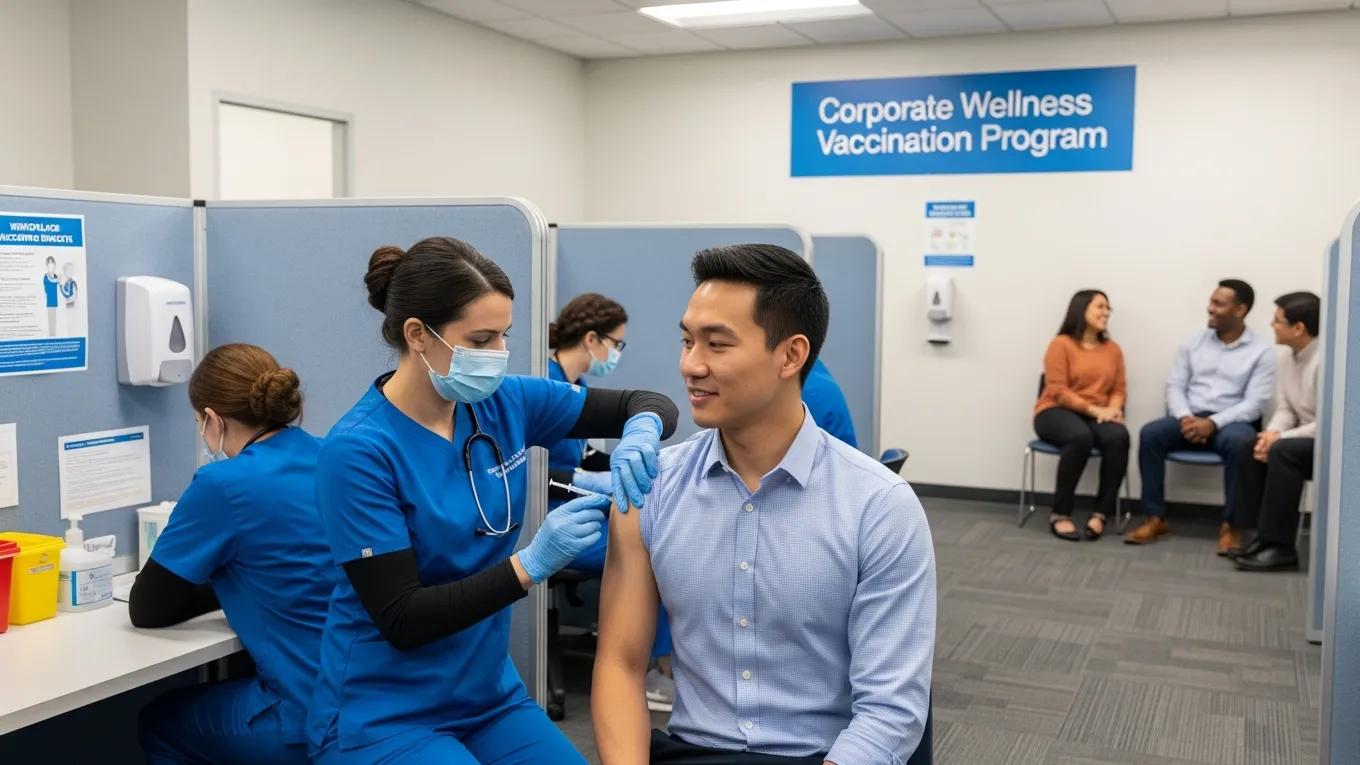
Workplace vaccination programs reduce the spread of preventable disease and protect both employees and business operations. By increasing immunity across the workforce, these programs help maintain a safer, more productive workplace.
- Health Promotion Through Vaccinations : Vaccination programs help in preventing the spread of infectious diseases, ensuring that employees remain healthy and productive.
- Cost-Effectiveness of Vaccination Programs : By reducing the incidence of illness, vaccination programs can lower healthcare costs associated with treating preventable diseases.
- Compliance with Health Regulations : Implementing vaccination programs helps businesses comply with health regulations, reducing the risk of outbreaks that could disrupt operations.
Research shows that on-site vaccination campaigns increase vaccination coverage and strengthen employee health protection.
On-Site Vaccination Campaigns Boost Employee Health
A mobile vaccination team providing on-site vaccination and vaccinations at a central vaccination site in addition to promotional measures can be implemented to increase influenza vaccination coverage in healthcare workers. Our concept can inform influenza and other vaccination campaigns for healthcare workers.
Increasing influenza vaccination coverage in healthcare workers: analysis of an intensified on-site vaccination campaign during the COVID-19 pandemic, J Salmanton-García, 2023
What Vaccines Are Recommended for Corporate Vaccination Clinics?
Corporate clinics should prioritise vaccines most relevant to the workforce. Common recommendations include the influenza vaccine, Tdap (tetanus, diphtheria, pertussis), and COVID-19 vaccination.
- Influenza Vaccine : Essential for preventing seasonal flu outbreaks in the workplace.
- Tetanus, Diphtheria, and Pertussis (Tdap) Vaccine : Important for protecting against these serious diseases.
- COVID-19 Vaccine : Critical for maintaining workplace safety in the current health climate.
How Do Vaccination Programs Prevent Workplace Illnesses and Absenteeism?
Vaccination programs lower the chance of workplace illness and thus reduce absenteeism. Ensuring employees are vaccinated helps keep the workforce healthy and operations running smoothly.
- Impact of Vaccinations on Flu Season : Vaccinated employees are less likely to contract and spread the flu, leading to fewer sick days.
- Long-Term Health Benefits : Vaccination contributes to the overall health of the workforce, reducing the likelihood of chronic illnesses.
- Employee Engagement in Health Programs : When employees participate in vaccination programs, it fosters a sense of community and shared responsibility for health.
What Occupational Health Services Support Compliance and Safety in Your Business?
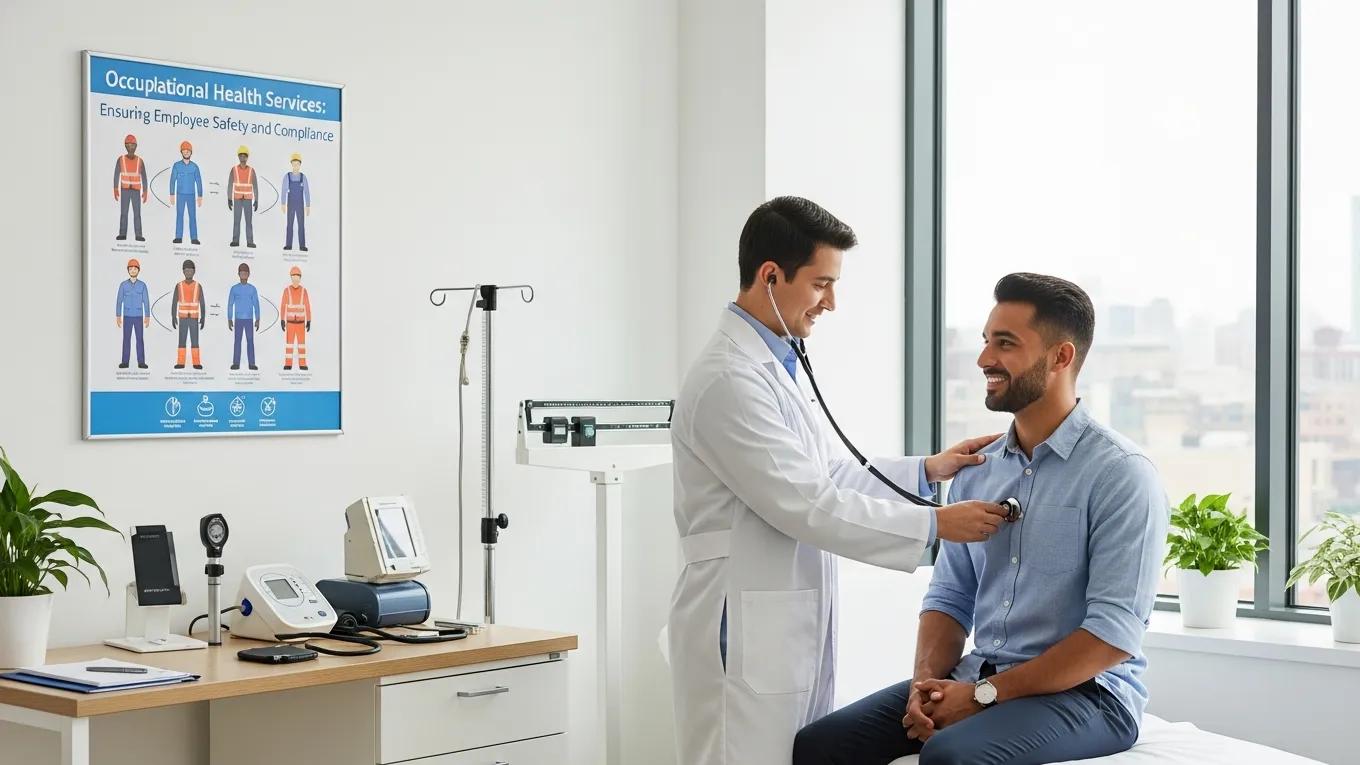
Occupational health services help businesses meet regulatory requirements and maintain a safe work environment. These services include targeted assessments and screenings to spot potential health risks early.
- Pre-Employment Physicals : These assessments ensure that new hires are fit for their roles, reducing the risk of workplace injuries.
- Drug Testing Services : Implementing drug testing can help maintain a safe and productive work environment.
- Return to Work Evaluations : These evaluations assess an employee’s readiness to return to work after an illness or injury, ensuring they are fit to perform their duties.
Evidence highlights the effectiveness of workplace drug testing programs in promoting safety and productivity.
Workplace Drug Screening: Impact & Effectiveness
In this chapter the impact and effectiveness of drug testing programs in the workplace (sometimes referred to as drug screening programs) are examined. For the purpose of evaluating the effectiveness of screening programs, the objectives of screening and the critical assumptions underlying these objectives are assessed. A primary focus of this chapter is what happens to companies when drug screening programs are initiated.
The impact and effectiveness of drug testing programs in the workplace, 1994
Which Occupational Health Regulations Should Employers Know?
Employers should be familiar with key regulations to remain compliant and protect staff. These include standards from OSHA, the importance of following those rules, and the potential penalties for non-compliance.
- Overview of OSHA Regulations : The Occupational Safety and Health Administration (OSHA) sets standards for workplace safety that employers must follow.
- Importance of Compliance : Adhering to these regulations is essential for protecting employees and avoiding legal repercussions.
- Consequences of Non-Compliance : Failing to comply with occupational health regulations can result in significant fines and legal issues.
How Do QuickAid’s Occupational Health Assessments Ensure Regulatory Compliance?
QuickAid Urgent Care delivers comprehensive occupational health assessments to help businesses meet regulatory requirements. Their services cover pre-employment checks, drug testing protocols, and documentation to demonstrate compliance.
- Pre-Employment Assessments : Ensuring that new hires are medically fit for their roles.
- Drug Testing Protocols : Implementing effective drug testing to maintain workplace safety.
- Documentation for Compliance : Providing necessary documentation to demonstrate compliance with health regulations.
How Does QuickAid Urgent Care Support Local Businesses with Employer Health Screenings?
QuickAid Urgent Care supports local businesses with customised health screening programs. Their approach helps employers manage employee health and wellness efficiently.
- Tailored Health Screening Services : QuickAid provides customized health screening programs that meet the specific needs of each business.
- Partnership Opportunities : Collaborating with QuickAid allows businesses to enhance their health initiatives and improve employee engagement.
- Cost-Effective Solutions : QuickAid offers competitive pricing for their health screening services, making it accessible for businesses of all sizes.
What Makes QuickAid’s Employer Health Screening Program Convenient and Reliable?
QuickAid’s employer screening program is built for convenience and reliability so businesses can roll out health initiatives with minimal disruption.
- Walk-In Availability : QuickAid offers walk-in services, allowing employees to get screened without the need for appointments.
- On-Site Diagnostics : QuickAid can provide on-site health screenings, making it easier for employees to participate.
- Expert Care from ER-Trained Physicians : Employees receive high-quality care from experienced medical professionals, ensuring accurate assessments.
How Can Businesses Schedule Walk-In or Appointment-Based Health Screenings?
Businesses can schedule screenings through QuickAid’s flexible options to fit their workflow and staffing needs.
- Walk-In Services : Employees can visit QuickAid without an appointment for immediate health screenings.
- Appointment Scheduling Process : For businesses preferring scheduled screenings, QuickAid offers a straightforward appointment process.
- Documentation Needed for Screenings : Employers should prepare necessary documentation to facilitate the screening process.
What Are the Steps to Schedule and Implement Employer Health Screenings Effectively?
Successful implementation requires planning. Assess workforce needs, contact QuickAid to discuss options, and prepare required documentation for a smooth process.
- Identifying Employer Needs : Assess the specific health needs of the workforce to tailor the screening program.
- Contacting QuickAid : Reach out to QuickAid to discuss available services and options.
- Preparing Necessary Documentation : Ensure all required documentation is ready for a smooth screening process.
How to Book Employer Health Screenings at QuickAid Urgent Care?
Booking at QuickAid is straightforward: contact them by phone or email, choose walk-in or appointment options, and expect a professional, efficient screening conducted by trained staff.
- Contact Methods for QuickAid : Businesses can reach QuickAid via phone or email to inquire about services.
- Scheduling Options : QuickAid offers both walk-in and appointment-based options for convenience.
- What to Expect During the Visit : Employees can expect a professional and efficient screening process conducted by trained staff.
What Should Employers Prepare for Occupational Health Assessments and Vaccination Clinics?
Employers should identify workforce health needs, select a reliable provider such as QuickAid , and communicate clearly with employees about the purpose and benefits of the assessments.
- Identifying Health Needs : Understand the specific health needs of employees to tailor the assessments.
- Choosing a Healthcare Partner : Select a reliable healthcare provider, such as QuickAid , to conduct the assessments.
- Communicating with Employees : Inform employees about the importance of health screenings and vaccinations to encourage participation.
Frequently Asked Questions
What types of health screenings should businesses consider for their employees?
Businesses should offer screenings based on workforce risk. Typical tests include blood pressure checks, cholesterol measurement, diabetes screening, and BMI assessment. Mental health and stress evaluations can also be valuable. A broad approach addresses both physical and mental health to support workplace wellbeing and productivity.
How often should health screenings be conducted in the workplace?
Frequency depends on workforce needs and the screening type. Annual screenings are a standard baseline for most employees. High‑risk groups may need more frequent checks, such as biannual or quarterly. Consult healthcare professionals to set the right schedule.
What role do health screenings play in employee retention?
Health screenings show employees that their employer values their wellbeing. That support builds loyalty, raises job satisfaction, and can reduce turnover. Investing in health programs is a practical way to strengthen workplace culture and retain staff.
Can health screenings help in managing workplace stress?
Yes. Screenings that include mental health assessments can identify stress and anxiety early, enabling timely support. Promoting health awareness and offering interventions helps create a more supportive workplace and lowers overall stress.
What are the potential legal implications of not conducting health screenings?
Not conducting appropriate health screenings can expose businesses to legal risk. Failure to follow occupational health regulations, such as OSHA standards, may result in fines and liability claims if issues could have been detected through screening. Regular screenings help mitigate these risks and demonstrate due diligence.
How can businesses encourage employee participation in health screenings?
Encourage participation with clear communication about benefits, practical incentives, and easy access. Highlight how screenings improve health outcomes and may reduce healthcare costs. Building a supportive culture around wellness also increases engagement.
Conclusion
Employer health screenings are essential for a safer, healthier workforce and for meeting regulatory obligations. They improve productivity and morale while helping to control long‑term healthcare costs. Partnering with QuickAid Urgent Care gives businesses access to tailored screening services that meet specific needs. Begin by exploring QuickAid’s screening options to take the next step toward a healthier workplace.
